Cloaking for gambling campaigns is the technical layer that separates what moderation systems see from what real users see — and it is how serious gambling advertisers run campaigns on Facebook, Google, and TikTok at scale without constant disruption from platform review. The platform sees a compliant white page. The user sees the actual gambling offer. With properly configured cloaking, campaigns survive the manual review cycles that kill accounts running direct gambling content, and traffic flows to the offer without the pre-lander-to-landing-page friction that unprotected campaigns carry on their best day.
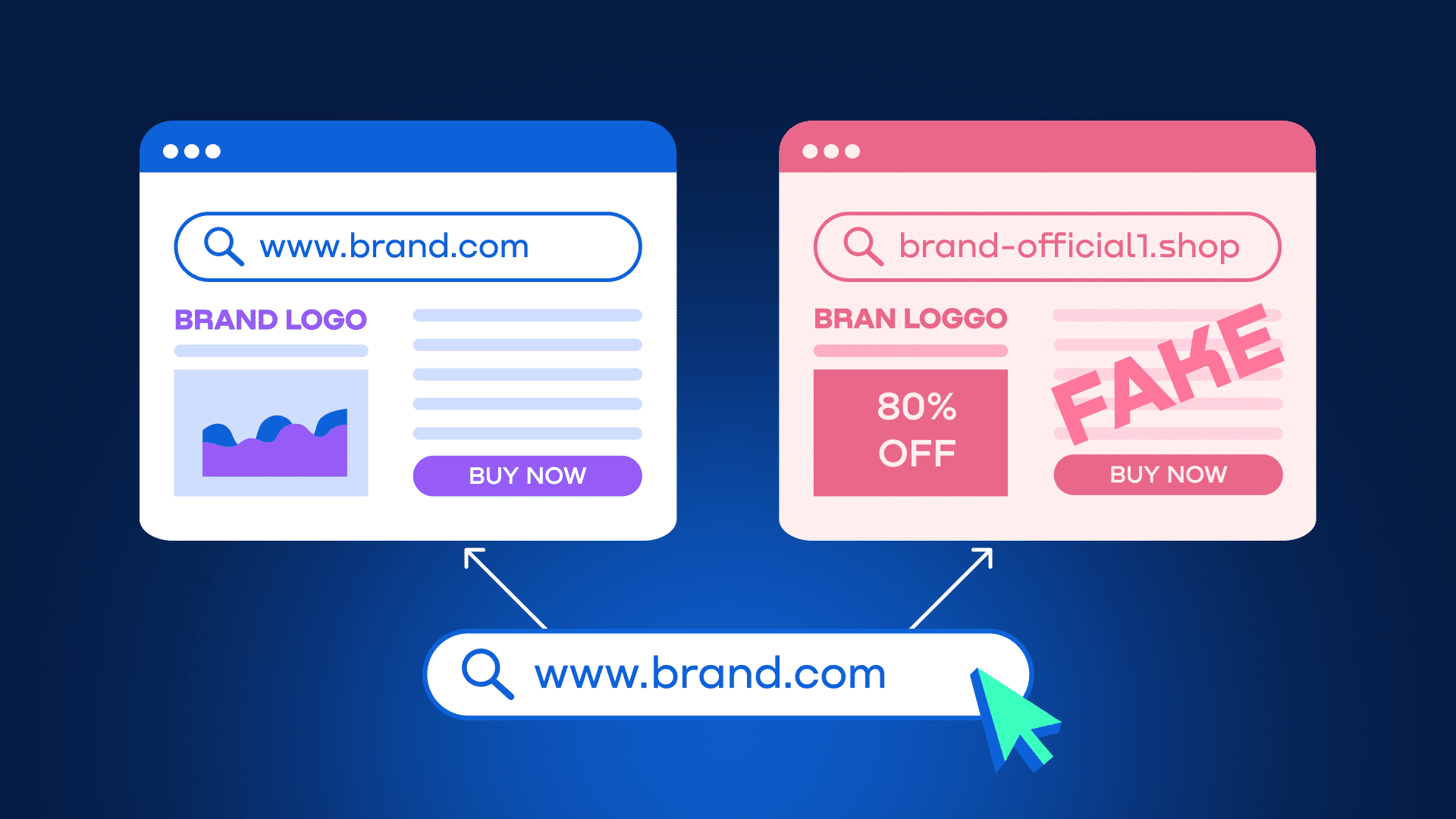
We set up and configure cloaking for gambling campaigns across all major traffic sources — full infrastructure including white page development, black page integration, redirect logic, IP filtering databases, and ongoing filter maintenance as platform detection patterns evolve. You run campaigns. We keep the infrastructure that protects them current.
How Cloaking Works for Gambling Campaigns — The Technical Setup
Cloaking for gambling advertising works by routing traffic through a filter that identifies and separates two audiences: platform crawlers, moderators, and bots on one side, and genuine users who clicked from the ad on the other. When the system identifies a review bot, moderator IP, or traffic quality checker, it serves the white page — compliant content that passes review. When it identifies a genuine user from a real device in the target GEO, it serves the black page — the actual casino or betting offer. The filter makes this determination in milliseconds at the redirect level, before any content loads on the user’s device.
The quality of the filter — the accuracy with which it identifies moderation traffic versus genuine user traffic — determines the cloaking system’s effectiveness. Systems with poor filter accuracy either serve the white page to real users, killing conversion rates, or serve the black page to moderators, killing the campaign. High-quality cloaking infrastructure maintains accuracy above ninety-five percent through continuously updated IP databases, user agent analysis, behavioral signals, and GEO verification that identify moderation traffic regardless of which IP range or device signature the platform uses for its review crawl.
White Page Development — Content That Passes Review
White page development for gambling cloaking requires content substantive enough to pass both automated and human moderation review — not just a placeholder page that satisfies automated checks but gets flagged immediately when a human reviewer opens the URL. Human review triggers on high-spend gambling accounts and on any account that receives an automated flag escalation. White pages that consist of three paragraphs of generic content about sports or entertainment get flagged by human reviewers who have seen the format hundreds of times.
We build white pages with enough genuine content depth — articles, guides, or editorial content in the appropriate category for the campaign GEO — that they hold up under extended human review. White page content is updated on a regular cycle as review patterns identify content formats that have been flagged, maintaining compliance fresh rather than reusing formats that platforms have already catalogued as cloaking surfaces.
Black Page Integration — Connecting the Offer
Black page integration connects the cloaking redirect to the actual gambling offer — the casino landing page, the betting registration page, or the PWA app install flow. The black page is the full conversion surface that genuine users see after the cloaking filter confirms they are real traffic: casino or betting offer with full promotional content, bonus terms, payment method presentation, and registration CTA. Black page design follows the same landing page optimization principles as direct traffic landing pages — mobile-first, sub-1.5-second load, above-fold offer presentation — with the additional requirement of seamless transition from the white page the user saw before the redirect so that the experience shift is not jarring enough to kill the conversion intent built at the pre-redirect stage.
IP Filter Databases — The Core of Accurate Cloaking
IP filter databases for gambling cloaking contain the IP ranges used by platform moderation crawlers, traffic quality tools, VPN and proxy detection ranges, and known bot networks that should receive the white page rather than the actual offer. The accuracy of cloaking infrastructure depends entirely on the currency and coverage of these databases — an outdated database that does not include recently added moderator IP ranges will serve the black page to moderation traffic, resulting in campaign bans regardless of how well the white page itself is constructed.
We maintain IP filter databases updated in real-time from monitoring the detection patterns of major traffic quality systems and platform moderation networks. When Facebook, Google, or TikTok adds new IP ranges to their review crawler infrastructure — which happens regularly as platforms upgrade their moderation technology — our databases reflect the change within hours rather than days, maintaining cloaking accuracy through platform moderation updates rather than falling behind the detection curve.
User Agent and Device Fingerprint Filtering
User agent and device fingerprint filtering adds a second identification layer to IP-based filtering for cloaking systems handling platforms with sophisticated anti-cloaking detection. Platform moderation crawlers increasingly use residential IPs and realistic device fingerprints specifically to bypass IP-range-based cloaking — appearing to the filter as genuine users from real devices in target GEOs. User agent filtering identifies the specific browser and device signature patterns associated with automated review traffic versus genuine user sessions, flagging review traffic that IP filters miss because the IP address appears residential.
Behavioral signal analysis adds a third layer — detecting the request timing patterns, navigation sequences, and interaction signatures that distinguish bot and moderator traffic from genuine user behavior regardless of how accurately the IP and device fingerprint replicate genuine user characteristics. The combination of all three filtering layers — IP database, device fingerprint, behavioral signals — produces the accuracy levels that keep gambling campaigns live through platform moderation updates rather than requiring constant manual review and white page refreshes.
Cloaking for Facebook Gambling Campaigns
Cloaking for Facebook gambling campaigns addresses the specific moderation infrastructure that Meta uses to review gambling content — a combination of automated AI review, pixel tracking of destination URLs, and human review queues that activate on high-spend accounts and on campaigns flagged by automated systems. Facebook’s review system follows ad destination URLs directly, which means cloaking must accurately identify Facebook’s crawler IPs and the range of IPs used by Meta’s human review contractors across different regions.
We configure Facebook-specific cloaking with Meta’s review IP ranges maintained in the filter database, redirect logic that identifies Facebook crawler signatures independent of IP (for residential-IP review scenarios), and white page content calibrated to Meta’s current human review standards. For campaigns using agency accounts, cloaking configuration is coordinated with the account management team to ensure that white page content and redirect behavior are consistent with the account’s overall compliance profile.
Cloaking for TikTok Gambling Campaigns
Cloaking for TikTok gambling campaigns requires TikTok-specific filter configuration because TikTok’s moderation infrastructure uses different IP ranges, device signatures, and review request patterns than Meta. TikTok also conducts periodic campaign-level audits where all destination URLs in an advertiser’s account are reviewed simultaneously — which requires white pages that are consistent across all campaign URLs rather than page-specific compliance configurations that create inconsistencies a simultaneous audit would identify.
We configure TikTok cloaking with account-level consistency — all white pages within the same account use compatible content formats and site structures that present a coherent publisher profile to an account-wide audit, rather than individual pages that look unrelated and raise questions about the account’s actual content operation.
Cloaking Maintenance — Keeping the System Current
Cloaking maintenance for gambling campaigns is an ongoing requirement rather than a one-time setup task. Platform moderation systems update regularly — new IP ranges, new device fingerprint databases, new behavioral detection patterns — and cloaking infrastructure that is not maintained in parallel with these updates loses accuracy progressively until campaign bans or conversion rate failures signal that the filter has fallen behind the detection curve. By the time a campaign gets banned due to cloaking failure, the maintenance deficit has already been accumulating for weeks.
We provide cloaking maintenance as an ongoing service for active campaign clients — database updates, white page refresh, filter accuracy monitoring, and emergency reconfiguration when platform moderation changes produce accuracy drops. Clients running gambling campaigns with our cloaking infrastructure do not manage the maintenance cycle themselves — it is handled as part of the service, with updates applied proactively rather than reactively after detection events.
Getting Started — Cloaking Setup in 24 Hours
Cloaking setup for a new gambling campaign is completed within 24 hours of brief confirmation — traffic source, target GEO, white page content requirements, and black page offer URL. The setup includes filter configuration, white page development, black page integration, redirect logic testing with verification that genuine user traffic reaches the offer and review traffic receives the white page, and postback confirmation that conversion tracking functions correctly through the cloaking redirect. Contact via Telegram with your campaign details to initiate cloaking setup and receive infrastructure access credentials.
FAQ — Cloaking for Gambling Campaigns
Is cloaking legal for gambling advertising?
Cloaking violates the terms of service of advertising platforms — Facebook, Google, and TikTok all prohibit serving different content to their review systems than to genuine users. It is a platform policy violation, not a legal violation in most jurisdictions — there is no law that prohibits showing different content to different visitors based on traffic source identification. The operational risk is platform account bans and campaign termination when cloaking is detected, not legal consequences. Teams running gambling campaigns at scale on restricted platforms accept this risk as part of the operational model, with account management infrastructure that handles replacement when individual accounts are banned.
How accurate is your cloaking for Facebook gambling campaigns?
Our cloaking for Facebook gambling campaigns maintains accuracy above ninety-five percent for genuine user identification — meaning fewer than five percent of genuine user sessions receive the white page instead of the actual offer, and fewer than five percent of moderation sessions receive the black page instead of the white page. This accuracy level is maintained through continuous database updates rather than periodic refreshes, with real-time monitoring that detects accuracy drops and triggers immediate database updates when new moderation IP ranges or device signatures are identified. Accuracy drops below ninety percent are the threshold that triggers emergency reconfiguration regardless of whether a campaign ban has occurred yet.
Can cloaking be used with PWA apps for gambling?
Yes — cloaking integrates with PWA app infrastructure for gambling campaigns, with the white page serving as the app store-style interface that moderation reviews and the actual casino or betting experience loading after the install event confirms a genuine user. PWA cloaking configuration is slightly different from web page cloaking because the installation flow creates additional signals that need to be handled correctly for the filter to remain accurate — we configure PWA-specific cloaking with install event filtering as part of the PWA setup process.