Broken casino tracking is one of the most expensive silent problems in iGaming — it costs affiliates commissions they earned and operators the ability to optimise their player acquisition spend. When a player deposits through your affiliate link and the FTD does not appear in your dashboard, you lose the commission. When your campaign generates 50 FTDs but your tracker shows 20, you are optimising your paid traffic based on wrong data and wasting budget on traffic that converts without attribution. Understanding how casino tracking works, where it breaks, and how to set it up correctly is fundamental to running a profitable iGaming operation at any scale.
- How Casino Affiliate Tracking Works — The Technical Fundamentals
- Click Tracking — The Entry Point
- Postback URLs — The Server-Side Solution
- Attribution Windows — Why 90 Days Matters
- Why Casino Affiliate Conversions Disappear — The Eight Most Common Causes
- 1. Postback URL Not Configured
- 2. Click ID Parameter Not Passed in Affiliate Link
- 3. Redirect Chain Breaking Cookie Attribution
- 4. Cookie Blocked by Player Browser
- 5. Attribution Window Expired
- 6. Multi-Device Journey Not Tracked
- 7. Player Used VPN
- 8. Affiliate Program Fraud Filters
- Tracker Setup for Casino Campaigns — Voluum vs Keitaro vs Native
- When You Need a Third-Party Tracker
- Voluum for Casino Campaigns
- Keitaro for Self-Hosted Tracking
- Casino Affiliate Programme Tracking Infrastructure — The Operator Side
- FAQ — Casino Affiliate Tracking
- Why are my casino affiliate FTDs not showing in the dashboard?
- What is a postback URL and how do I set it up for casino tracking?
- How long should a casino affiliate attribution window be?
- Do I need Voluum or Keitaro for casino SEO traffic?
How Casino Affiliate Tracking Works — The Technical Fundamentals
Casino affiliate tracking follows a click → cookie → conversion attribution chain. Understanding each step explains where breaks occur and how to fix them.
Click Tracking — The Entry Point
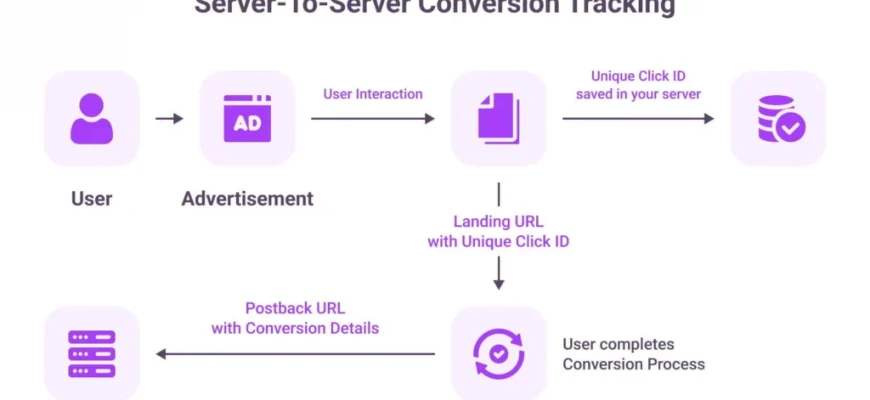
When a player clicks an affiliate link, the affiliate platform’s tracking server logs the click, assigns a unique click ID, and redirects the player to the casino. This click ID is stored in two places: the affiliate platform’s database, and a cookie in the player’s browser. The cookie is what connects the subsequent registration and deposit back to the original click and affiliate.
Cookie-based tracking has a specific vulnerability in 2026: browser privacy changes. Safari’s ITP (Intelligent Tracking Prevention) limits third-party cookie lifespan to 24 hours or less. Firefox Enhanced Tracking Protection blocks many affiliate tracking cookies entirely. Chrome’s gradual third-party cookie deprecation is ongoing. For casino affiliates driving significant Safari traffic — which constitutes a large proportion of UK, Australian, and North American casino traffic due to iOS device dominance — cookie-based tracking misses a meaningful percentage of conversions that the affiliate generated but cannot prove.
Postback URLs — The Server-Side Solution
Postback URL tracking (also called S2S — server to server) bypasses cookie limitations entirely. Instead of relying on a browser cookie to connect the deposit to the original click, the casino operator’s platform sends a server-side HTTP request directly to the affiliate’s tracking server when a conversion occurs. This request includes the click ID that was passed in the original affiliate link, the conversion type (registration, first deposit, subsequent deposit), and the conversion value (deposit amount for revenue share tracking).
Postback tracking works regardless of browser privacy settings, ad blockers, or ITP limitations because it occurs between servers, not through the player’s browser. It is the correct tracking method for any casino affiliate operation in 2026. Affiliate platforms that do not support postback tracking should be avoided — the commission loss from cookie-only tracking in iOS-dominant GEOs is not marginal.
Attribution Windows — Why 90 Days Matters
Casino players research for longer than most products before depositing. A player might click an affiliate link in week one, read reviews over three weeks, and deposit in week four. The attribution window — the period during which a deposit is credited back to the original affiliate click — determines whether this deposit generates commission or not.
Attribution windows vary by affiliate program: some offer 30 days, some 60, some 90. The industry standard for casino affiliate programs is 30 to 90 days. For organic SEO traffic — players who research thoroughly before depositing — longer attribution windows significantly increase commission capture rate. A 30-day window misses all high-consideration players. A 90-day window captures most organic traffic conversions. Always check attribution window length before committing to an affiliate program, particularly for organic SEO traffic sources.
Why Casino Affiliate Conversions Disappear — The Eight Most Common Causes
If FTDs are not appearing in your affiliate dashboard despite genuine player acquisitions, one of eight causes is almost certainly responsible.
1. Postback URL Not Configured
The most common cause for new affiliates: the postback URL was never set up in the affiliate platform. Without a postback URL, the casino platform has nowhere to send conversion notifications. The affiliate link works, the player deposits, but the information never reaches the affiliate’s tracking system. Fix: configure the postback URL in the affiliate program dashboard, using the correct format for the specific platform (Offer ID, click ID parameter name, and conversion type parameters vary by platform).
2. Click ID Parameter Not Passed in Affiliate Link
The postback can only attribute a conversion to the correct affiliate if the original click ID is included in the affiliate link that sent the player to the casino. If the affiliate link format does not include the click ID parameter — {clickid} placeholder in the link, replaced with the actual ID by the tracker — the postback fires but cannot identify which click generated the conversion. All conversions appear as “unknown” or do not attribute at all. Fix: ensure your affiliate links include the click ID parameter in the correct format for your tracker (Voluum, Keitaro, Binom, or the affiliate program’s native tracker).
3. Redirect Chain Breaking Cookie Attribution
Multi-step redirect chains between the affiliate link click and the casino landing page — particularly when a cloaker or pre-lander introduces additional redirect hops — can break cookie-based attribution. Each redirect is a potential drop point for the cookie that carries tracking information. Fix: use server-side postback tracking rather than cookie-based tracking, and minimise redirect chain length between click and final landing page.
4. Cookie Blocked by Player Browser
As covered above — Safari ITP, Firefox ETP, and Chrome settings block affiliate tracking cookies for a meaningful proportion of casino traffic. Fix: implement postback tracking as the primary attribution method, and where the affiliate program supports it, use first-party cookie solutions that set cookies from the casino’s own domain rather than the affiliate platform’s domain.
5. Attribution Window Expired
Player clicked the affiliate link 35 days ago. Attribution window is 30 days. They deposit today — no commission. This is particularly common for SEO-driven organic traffic where players research over extended periods. Fix: prioritise affiliate programs with 60 to 90 day attribution windows for organic traffic sources. For paid traffic with fast decision cycles, 30-day windows are less of an issue.
6. Multi-Device Journey Not Tracked
Player clicked the affiliate link on desktop, switched to mobile to complete registration, deposited from a different device. Cookie-based tracking fails cross-device journeys because the cookie exists only in the original device’s browser. Server-side postback tracking also fails cross-device unless the affiliate program has implemented device fingerprinting or logged-in user tracking to connect the cross-device journey.
7. Player Used VPN
Players using VPNs — common in grey-market GEOs where casino access is technically restricted — may have their tracking cookies rejected or their IP-based attribution misidentified. Some affiliate programs use IP-based geographic attribution that fails when a player’s IP changes between click and conversion due to VPN usage.
8. Affiliate Program Fraud Filters
Some affiliate programs apply fraud filters that remove FTDs that match patterns associated with fake traffic — players depositing immediately without exploring the site, multiple registrations from the same IP range, unusual device profiles. Legitimate organic traffic sometimes triggers these filters incorrectly, particularly when players arrive through affiliate redirect chains that share IP patterns with bot traffic. Fix: ensure your affiliate links pass through clean redirect chains without bot-associated IP ranges, and review any FTDs flagged as fraudulent with your affiliate manager for manual review.
Tracker Setup for Casino Campaigns — Voluum vs Keitaro vs Native
Third-party campaign trackers — Voluum, Keitaro, Binom — add a tracking layer between the traffic source and the affiliate link that provides click-level data, conversion path analysis, and multi-source attribution that affiliate program native dashboards do not provide.
When You Need a Third-Party Tracker
A third-party tracker is essential for paid traffic casino campaigns — Facebook Ads, Google Ads, app install campaigns. You need click-level attribution that tells you which specific ad creative, which audience, which placement generated each FTD — not just the total number of conversions by date. Without this granularity, campaign optimisation is guesswork.
For pure SEO traffic, Google Search Console plus the affiliate program’s native dashboard typically provides sufficient attribution data. Adding a tracker for SEO traffic provides additional keyword-level conversion data but is not operationally necessary for most organic-only affiliates.
Voluum for Casino Campaigns
Voluum’s server-side tracking handles the cookie limitations that make client-side tracking unreliable for mobile casino traffic. The Direct Tracking feature tracks conversions without landing page redirects, which improves both tracking accuracy and user experience. Voluum’s Automizer feature enables automated campaign rules — pausing traffic sources that exceed cost-per-conversion thresholds, scaling sources that produce profitable FTDs — which is practical for multi-source casino campaign management. Cost: $199 to $499 per month depending on click volume.
Keitaro for Self-Hosted Tracking
Keitaro is the self-hosted alternative — you own the server, own the data, pay a one-time licence rather than monthly subscription. For teams running gambling arbitrage campaigns that require cloaking integration, Keitaro’s server-side filtering capabilities and white/black page routing integrate directly into the tracking infrastructure without requiring separate cloaking tools. Monthly server cost: $20 to $100 depending on traffic volume. Keitaro licence: one-time $149.
Casino Affiliate Programme Tracking Infrastructure — The Operator Side
Casino operators who run their own affiliate programmes face the inverse tracking challenge: accurately attributing player acquisitions to the correct affiliates across diverse traffic sources, affiliate link formats, and device types.
The technical requirements for a casino affiliate programme tracking infrastructure include: unique click ID generation and storage per affiliate link click, server-side postback firing on registration and FTD events, multi-device attribution using fingerprinting or logged-in user session continuity, fraud detection for fake registrations and synthetic FTDs, and real-time reporting for affiliates through their programme dashboard.
Setting up this infrastructure correctly from the start — rather than retrofitting it after affiliate recruitment has begun — is the difference between an affiliate programme that affiliates trust (because their conversions attribute correctly and payments are accurate) and one that affiliates abandon after discovering unexplained commission gaps.
Our affiliate programme setup service and tracking setup service cover the full technical implementation for casino operators launching affiliate programmes — from tracking platform selection and configuration through postback URL documentation for affiliates and dashboard reporting setup. The affiliate programme launch service bundles tracking infrastructure with affiliate recruitment, commission structure design, and programme management.
FAQ — Casino Affiliate Tracking
Why are my casino affiliate FTDs not showing in the dashboard?
Eight most likely causes: postback URL not configured, click ID parameter missing from affiliate link, cookie blocked by player browser (Safari ITP), attribution window expired, redirect chain breaking cookie, multi-device journey, player VPN usage, or affiliate program fraud filter. Start with checking postback URL configuration — this is the cause in the majority of cases where FTDs simply do not appear despite genuine player activity.
What is a postback URL and how do I set it up for casino tracking?
A postback URL is a server-side endpoint on your tracker that receives HTTP requests from the affiliate program’s server when a conversion occurs. Setting it up: in your affiliate program dashboard, find the postback/pixel settings, copy the postback URL format for your tracker (Voluum, Keitaro, or the program’s own format), replace the placeholder parameters with your tracker’s actual click ID macro and conversion value macro, and paste the completed URL into the affiliate program’s postback URL field. Test with a real conversion to confirm the postback fires correctly before scaling traffic.
How long should a casino affiliate attribution window be?
For organic SEO traffic: 90 days minimum, 60 days absolute minimum. Players who find your site through organic search research extensively before depositing — a 30-day window misses a significant proportion of conversions that your content generated. For paid traffic with fast conversion cycles: 30-day windows are less impactful because paid traffic players typically convert within 24 to 72 hours. Always check attribution window length before committing to a casino affiliate program, particularly if organic SEO is your primary traffic source.
Do I need Voluum or Keitaro for casino SEO traffic?
No — for pure organic SEO traffic, Google Search Console combined with the affiliate program’s native dashboard provides sufficient conversion data for most affiliates. Third-party trackers add value for paid traffic campaigns where click-level attribution to specific creatives, audiences, and placements is necessary for optimisation. If you are running both SEO and paid campaigns, implementing a unified tracker provides cleaner cross-channel attribution data.
Tags: #CasinoTracking #AffiliateTracking #iGamingTracking #PostbackTracking #FTDTracking #CasinoAffiliate #TrackingSetup #S2STracking #Voluum #Keitaro