Facebook is still one of the highest-volume traffic sources for casino and iGaming offers in 2026 — but running gambling campaigns on Meta has never been more technically demanding. Platform detection has gotten smarter. Review automation flags patterns faster. Agency accounts that were solid infrastructure a year ago can vanish within days if the setup is wrong. The affiliates and media buyers who are scaling gambling traffic on Facebook right now are not doing anything dramatically different from 2024 — but they are doing it with tighter technical execution and better infrastructure understanding. This guide covers what actually works in 2026: account types, cloaking setup, creative strategy, and the funnel structure that keeps campaigns alive long enough to optimise.
- Why Facebook Gambling Ads Keep Getting Banned — What Changed in 2026
- The Three Things That Kill Gambling Facebook Accounts in 2026
- Account Types for Facebook Gambling Campaigns — What to Use in 2026
- Personal Aged Accounts with Spending History
- Agency Ad Accounts — The Right Kind
- Fresh Accounts — When They Work and When They Do Not
- Cloaking Setup for Facebook Gambling Campaigns — What Works Now
- The Server-Side Dual-Page Architecture
- Pre-Lander as Cloaking Complement
- Facebook Casino Ad Creatives — What Gets Approved and What Gets Flagged
- Creative Formats That Survive Review
- Comment Management Is Non-Negotiable
- Running Facebook Gambling Traffic — What We Provide
- FAQ — Facebook Gambling Ads in 2026
- Is Facebook gambling advertising possible in 2026?
- Agency account or personal aged account — which is better for gambling?
- How do I warm up a Facebook account for gambling campaigns?
- What cloaking tool works best for Facebook gambling ads?
- Direct to offer or pre-lander — which converts better for casino?
Why Facebook Gambling Ads Keep Getting Banned — What Changed in 2026
Facebook’s approach to gambling advertising has shifted from policy-based rejection to pattern-based detection. In 2023 and 2024, campaigns got rejected because ad content triggered keyword or image classifiers. In 2026, accounts get flagged because behavioural patterns across the account — bidding behaviour, conversion event optimisation, pixel activity, payment patterns — match profiles that Meta’s automated risk systems have associated with policy-violating verticals.
This shift has two important implications. First, clean creatives alone are no longer sufficient protection — a compliant-looking ad running on an account with suspicious behavioural signals still gets flagged. Second, the account itself matters as much as the campaign. An account with clean history, stable spend, and normal platform behaviour survives longer and scales better than a fresh account running perfect creatives.
The Three Things That Kill Gambling Facebook Accounts in 2026
First deposit optimisation on a cold account. Running campaigns optimised for FTD (first time deposit) events on accounts that have never built up behavioural trust is the fastest path to “unusual activity” suspension. Meta’s systems see a new account immediately optimising for a high-value conversion event associated with gambling and flag it within hours. The fix: warm up accounts through lower-friction conversion events — registrations, landing page views — before escalating to FTD optimisation.
Cloaking leaks. A cloaking setup that correctly filters Facebook bots during review but leaks on re-review or retargeting crawls is worse than no cloaking — the inconsistent experience between what Meta saw during approval and what they see on re-crawl triggers immediate suspension and often permanent account termination. Cloaking needs to be maintained actively, not set up once and forgotten. Meta updates its crawler signatures regularly.
Account pool contamination. Running gambling campaigns inside an MCC (manager account) alongside other clients who get flagged results in chain suspensions across all accounts in the pool. Since mid-2025, Meta applies the same sanction logic as Google for agency account contamination — one problematic client in the pool elevates risk for everyone connected to it. This is why account source and isolation matter more than they did in previous years.
Account Types for Facebook Gambling Campaigns — What to Use in 2026
The account infrastructure decision determines campaign longevity more than any other single factor. Three realistic options exist for running gambling traffic on Facebook in 2026, each with different risk profiles and cost structures.
Personal Aged Accounts with Spending History
Personal accounts that have accumulated real spending history across multiple verticals — ideally $5,000 to $20,000+ in historical spend — carry behavioural trust that new accounts do not have. Facebook’s risk scoring accounts for historical behaviour heavily. An aged personal account with genuine activity is harder to automatically flag than any new account regardless of its setup quality.
The limitation is supply. Genuinely aged accounts with real spend history are scarce and expensive. They also require careful management — login consistency, IP management, anti-detect browser use — to maintain the behavioural signals that make them valuable. A single login from an unexpected IP can permanently alter the risk profile of an account that took months to build.
Agency Ad Accounts — The Right Kind
Agency accounts are not a single category. The cheap agency account resellers operating on BHW and Telegram are selling access to pools with messy history that Meta has already partially flagged — they survive for a few days and produce inconsistent results. Genuinely high-trust agency accounts, sourced from providers with verified track records and isolated account pools, are different infrastructure entirely.
The key distinction in 2026: after Meta’s transparency policy updates, agency accounts that pass full advertiser verification — business manager structure, payment verification, identity confirmation — operate under different trust thresholds than unverified pooled accounts. High-trust verified agency accounts with clean pool isolation are the most stable infrastructure for scaling gambling campaigns that need to survive beyond the first week.
Fresh Accounts — When They Work and When They Do Not
Fresh accounts can work for gambling traffic in 2026 but require a specific warm-up sequence: a minimum of two to three weeks of compliant campaign activity across non-gambling verticals to establish behavioural baseline, followed by a gradual introduction of gambling content using the pre-lander funnel structure described below. Fresh accounts running gambling content from day one with FTD optimisation die within hours. Fresh accounts with proper warm-up and correct funnel structure can survive long enough to optimise and scale before suspension.
Cloaking Setup for Facebook Gambling Campaigns — What Works Now
Cloaking for Facebook gambling campaigns in 2026 requires server-side implementation, not client-side JavaScript redirects. Meta’s crawlers have evolved to execute JavaScript and follow client-side redirects — a JavaScript-based cloak that showed a compliant page to bots two years ago is now transparent to Meta’s review infrastructure.
The Server-Side Dual-Page Architecture
The working cloaking setup uses IP and user-agent filtering at the server level to serve two completely separate experiences. Requests from Meta’s crawler IP ranges and known bot user-agents receive the white page — a compliant landing page with no gambling content. Real user traffic receives the offer page — the actual casino pre-lander or landing page. The filtering happens before any page content is served, which means there is no JavaScript execution, no redirect chain, and no timing signature that identifies cloaking to Meta’s detection.
Tools like Voluum, Keitaro, and custom Nginx configurations all support this architecture. The critical maintenance requirement is crawler IP list updates — Meta adds new crawler IP ranges regularly, and a cloaking setup that is not actively maintained against current Meta crawler ranges will leak within weeks of initial setup. Most account suspensions blamed on cloaking failure are actually cloaking maintenance failures.
Pre-Lander as Cloaking Complement
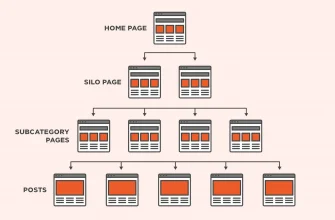
A well-constructed pre-lander reduces cloaking risk by creating an additional review layer. The pre-lander is a compliant intermediate page — a quiz, a comparison tool, a “top casinos” list without explicit gambling promotion — that sits between the ad and the casino offer. Users who arrive from the Facebook ad land on the pre-lander first. This means even if Meta re-crawls the destination URL, they see a compliant page rather than the direct casino offer. The pre-lander also warms up user intent, which improves FTD conversion rates by qualifying traffic before they reach the casino registration page.
Facebook Casino Ad Creatives — What Gets Approved and What Gets Flagged
Creative strategy for Facebook gambling campaigns in 2026 operates on a gap between what the ad shows and what the offer delivers. Ads that directly reference casino games, slots, bonus offers, or gambling outcomes are flagged in review. Ads that reference entertainment, excitement, app-based games, strategy games, or lifestyle content pass review when the underlying funnel is correctly structured.
Creative Formats That Survive Review
Video creatives outperform static images for gambling campaign longevity. Video content is harder for automated classifiers to evaluate frame-by-frame than static images where specific visual signals — roulette wheels, slot machine imagery, playing cards in gambling context — trigger immediate flags. Videos that show excitement, entertainment, and lifestyle context without explicit gambling imagery pass review more consistently.
Soft-angle creatives — ads positioned around sports prediction apps, strategy gaming, or entertainment platforms — provide the largest gap between review approval and actual offer delivery. The connection to gambling happens at the pre-lander or landing page level, not in the ad itself. This approach requires a well-constructed funnel where each step maintains plausible deniability while moving users toward the casino registration.
Comment Management Is Non-Negotiable
Negative comments on gambling ads — users calling out the product as a scam, reporting the ad, or making explicit gambling references — are one of the most reliable account killers in the current Meta environment. Automated comment filtering is not optional for casino campaigns. Every active gambling campaign needs daily comment moderation or automated filtering rules that hide flagged comment categories before they accumulate visible negative signals on the ad.
Running Facebook Gambling Traffic — What We Provide
Running sustainable Facebook gambling campaigns requires the full infrastructure stack: the right account type, maintained cloaking, compliant creatives, optimised pre-landers, and someone who has already learned where the current detection patterns are. Building this infrastructure from scratch while simultaneously trying to run and optimise campaigns is how most new entrants to Facebook gambling traffic lose months and significant budget before finding a working setup.
At gamblings.tech we cover the complete Facebook gambling traffic stack — from agency account access through cloaking setup, creative production, and campaign management. The traffic section of the site covers the individual components in detail.
FAQ — Facebook Gambling Ads in 2026
Is Facebook gambling advertising possible in 2026?
Yes — teams are actively scaling gambling traffic through Facebook in 2026. The setup is more demanding than two years ago due to Meta’s pattern-based detection improvements, but the combination of high-trust agency accounts, server-side cloaking with maintained crawler lists, and correctly structured pre-lander funnels produces campaigns that run long enough to optimise and scale. The ceiling on Facebook gambling traffic is not the platform’s detection capability — it is the quality of your infrastructure and execution.
Agency account or personal aged account — which is better for gambling?
Genuinely high-trust verified agency accounts from reputable providers outperform personal aged accounts for scaling because they provide spend limit portability and financial trust that personal accounts cannot match at volume. Personal aged accounts are better for lower-volume, higher-precision campaigns where account longevity per unit of spend matters more than raw scale. Most serious gambling media buyers run both — agency accounts for volume scaling, aged personal accounts for specific GEO or offer testing.
How do I warm up a Facebook account for gambling campaigns?
Two to three weeks of compliant campaign activity across non-gambling verticals — e-commerce, apps, lead generation — establishing spend history and normal conversion optimisation behaviour. Then introduce gambling content using soft-angle creatives targeting sports, entertainment, or gaming audiences before transitioning to casino-specific creative angles. Optimise for registration events before escalating to FTD optimisation. Total warm-up period before sustainable FTD-optimised gambling campaigns: four to six weeks minimum.
What cloaking tool works best for Facebook gambling ads?
Server-side tracker-based solutions — Keitaro, Voluum, or custom Nginx implementation — outperform any client-side or JavaScript-based cloaking for Facebook specifically. The critical factor is not the tool but the maintenance: crawler IP lists must be updated at least weekly, white page content must not share any infrastructure fingerprints with the offer page, and the cloaking logic must handle Meta’s re-review crawls which occur days or weeks after initial ad approval.
Direct to offer or pre-lander — which converts better for casino?
Pre-lander consistently outperforms direct-to-offer for casino Facebook campaigns on both account longevity and FTD conversion rate. The pre-lander filters unqualified traffic, warms user intent before the registration page, and provides a compliant review layer that extends account lifespan. The conversion rate lift from pre-lander intent qualification typically more than compensates for the additional funnel step, producing lower effective CPA despite the extra click.
Tags: #FacebookGamblingAds #CasinoFacebookAds #GamblingAds2026 #iGamingTraffic #CasinoAdvertising #FacebookAdsCloaking #AgencyAccount #GamblingAffiliate #CasinoMarketing #MediaBuying