Despite the rapid growth of new advertising formats — from short-video integrations to social media native placements — Google Ads remains one of the most powerful and profitable traffic sources available to iGaming affiliates and media buyers. The scale of search intent, the precision of audience segmentation, and the speed of campaign deployment make it a strategically essential channel for anyone running casino and betting offers at volume.
In this article we break down why Google Ads is a priority tool for iGaming traffic, and specifically how to approach it using the prelander and landing page architecture that makes moderation approval achievable and sustainable.
- What Google Ads Is and Why iGaming Needs It
- The Scale of Search Demand for iGaming Offers
- The Prelander Architecture — Why It Works for Casino Traffic
- Precise Audience Targeting for iGaming Campaigns
- Speed of Launch and Results
- Budget Control and Campaign Management Flexibility
- Analytics and Data Transparency
- Local and International GEO Reach
- Ad Formats Available for iGaming Campaigns
- Building a Sustainable Google Ads iGaming Operation
What Google Ads Is and Why iGaming Needs It
Google Ads is Google’s advertising ecosystem — covering search results, YouTube, the Google Display Network, Google Maps, and partner publishers. The primary payment model is PPC (pay-per-click), where the advertiser pays only for an actual click on the ad. For iGaming affiliates this model is particularly valuable: you pay for demonstrated intent, not passive impressions. The ability to rapidly test offer-page combinations, evaluate behavioral metrics, and cut non-performing campaigns gives experienced media buyers a structural advantage in managing margin.
The core challenge for casino and gambling advertisers is moderation. Google’s gambling advertising policies require certified accounts for gambling-related ads in each target country, and direct promotion of casino products without appropriate licensing documentation faces rejection. This is where the prelander-to-landing-page funnel architecture becomes the operational foundation of sustainable Google Ads iGaming campaigns.
The Scale of Search Demand for iGaming Offers
Google processes billions of searches daily. Behind each search is a specific, expressed need. In iGaming, these needs take forms that translate directly to deposit intent: users searching for “best online casino bonus”, “highest payout slots”, “live dealer baccarat”, “sports betting sign up offer”, or “real money poker sites” are in active acquisition mode. Appearing at the top of these results with a relevant, well-constructed ad puts you in the optimal position relative to all other traffic channels — the user has already decided they want something in your category.
Even with Google’s continued AI integration into search results, paid ads maintain strong visibility for commercially relevant iGaming queries. Compliant gambling ads continue to display prominently in the ad positions adjacent to and above organic results, capturing high-intent users at the moment of decision. The key is building the account structure and creative funnel that survives moderation and delivers conversion economics that make the channel profitable.
The Prelander Architecture — Why It Works for Casino Traffic
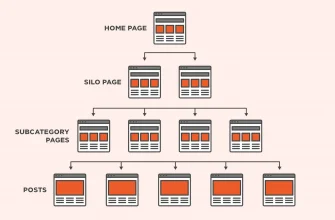
A prelander is the intermediate page between the Google Ad and the final casino or betting offer. It is the core of the compliance and conversion architecture for iGaming Google Ads campaigns.
The prelander serves two simultaneous functions. For Google’s review systems, it provides a compliant, policy-aligned entry point — typically presenting as an informational review site, comparison resource, strategy guide, or entertainment content page. For the user, it provides engagement and context that warms conversion intent before the final offer click. A well-built prelander does not hide the commercial nature of the destination — it frames it in a way that both the moderation system and the user receive positively.
Effective prelander formats for iGaming Google Ads include:
Casino review and comparison pages. Pages presenting multiple casino brands with ratings, bonus comparisons, and key feature summaries. These pass moderation as editorial comparison content while simultaneously driving click-through to individual operator landing pages. The review format is the most stable and widely used prelander type for regulated and grey-market casino traffic in international GEOs.
Strategy and guide content pages. Pages presenting gambling strategy content — slot volatility guides, blackjack basic strategy, sports betting handicapping explanations — with contextual links to recommended platforms where readers can practice or play. This format works particularly well for audiences in the research phase of their gambling journey.
Bonus and promotion aggregator pages. Pages presenting current casino bonuses, free spin offers, or matched deposit promotions across multiple operators. High commercial intent, strong CTR, and a natural fit for the comparison content format that Google’s review systems accept.
Winner story and testimonial formats. Content framed around player experiences, jackpot results, or casino platform reviews from a first-person perspective. Works well in GEOs where more editorial, story-driven content produces stronger engagement metrics that support Quality Score improvement.
The landing page that follows the prelander is the direct conversion surface — the operator’s sign-up page or an affiliate-controlled page with a single CTA driving registration. The prelander-to-landing-page handoff must be seamless: consistent visual language, consistent offer framing, and a load time fast enough to prevent abandonment between steps.
Precise Audience Targeting for iGaming Campaigns
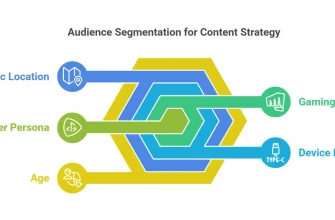
One of Google Ads’ core advantages for iGaming media buyers is targeting flexibility beyond keyword match. The platform allows layering of demographic, geographic, device, and behavioral signals that refine audience quality and reduce wasted spend.
For casino and betting campaigns, the most valuable targeting dimensions are:
Geographic targeting. Casino offers have entirely different economics by country — EPC, conversion rate, and player LTV vary dramatically between Tier 1 markets (UK, Canada, Australia, New Zealand) and emerging GEOs (Brazil, India, Southeast Asia). Campaign structure should reflect GEO economics: separate campaigns per target country, with bids and daily budgets calibrated to the actual CPA economics of each market rather than a single blended budget that obscures performance by GEO.
Device targeting and bid adjustments. iGaming traffic is predominantly mobile in emerging markets (India, Southeast Asia, Latin America, Africa) and more evenly split in Tier 1 GEOs. Device-specific bid adjustments allow you to direct budget toward the device type that produces depositing players rather than registrations — typically identified through postback data after the first few hundred clicks. In markets where mobile conversion rates are materially below desktop, bid modifiers can suppress mobile spend while maintaining search ad presence on higher-converting desktop traffic.
Behavioral and in-market audiences. Google’s in-market audience segments include categories relevant to iGaming: gambling audiences, sports fans, finance-interested users. Layering in-market audience segments onto keyword campaigns as bid modifiers — rather than targeting alone — allows increasing bids for users who match both the search intent signal and the behavioral profile of a likely depositor without restricting reach.
Retargeting (RLSA). Retargeting lists for search ads allow bid adjustments or exclusive targeting for users who have previously visited your prelander or landing page. For iGaming, RLSA is particularly valuable for re-engaging users who clicked through from the prelander but did not complete registration — allowing a second ad impression with a different angle, offer, or bonus framing when they return to search.
Speed of Launch and Results
Unlike SEO — where reaching the top positions and building link authority requires months — Google Ads delivers traffic essentially immediately after campaign approval. Once ads pass moderation review, they enter the auction and can appear in search results the same day. For iGaming affiliates this matters in several specific ways:
New offer testing becomes fast and data-driven. A new casino brand, a new GEO, or a new bonus angle can be tested with a small daily budget within days — generating enough click and conversion data to make a scale or cut decision before significant spend has been committed. This testing velocity is a genuine competitive advantage in affiliate marketing, where offer freshness and first-mover positioning in new markets directly affects profitability.
Seasonal and event-driven opportunities — major sports tournaments, new year acquisition periods, newly regulated markets — can be captured through rapid campaign deployment. An affiliate with a ready prelander structure can be live in a new GEO within 24 to 48 hours of an opportunity emerging, while SEO-only operations take months to respond to the same signal.
Paid Google Ads campaigns also reinforce rather than compete with organic SEO. Traffic from paid campaigns generates user behavior signals — session depth, time on page, return visits — that contribute to organic ranking factor improvement over time. A combined paid and organic strategy where each channel amplifies the other is consistently more efficient than either channel operated in isolation.
Budget Control and Campaign Management Flexibility
Google Ads imposes no mandatory minimum spend. The advertiser sets daily budgets independently for each campaign and can adjust, pause, or scale at any moment without penalties or bureaucratic process. For iGaming media buyers managing multiple GEOs and offers simultaneously, this operational flexibility is critical.
The PPC payment model makes costs significantly more predictable than impression-based models. You pay for users who clicked — users who demonstrated intent by engaging with your ad. Available bidding strategies range from manual CPC control — preferred by experienced iGaming media buyers who want granular control — to automated Smart Bidding strategies that use Google’s machine learning to optimize toward target CPA or target ROAS based on conversion signal data fed through postback tracking.
For casino affiliate campaigns, the most useful bidding progression typically starts with manual CPC or Enhanced CPC while the account accumulates conversion data, then transitions to Target CPA bidding once sufficient first-deposit conversion events are recorded — typically after 30 to 50 conversions in the campaign. This progression gives the machine learning algorithms enough data quality to optimize toward actual depositing player acquisition rather than registration events alone.
Analytics and Data Transparency
Google Ads provides granular performance data at every level — keyword, ad group, individual ad, device, audience segment, time of day. For iGaming campaigns this data infrastructure is essential for the optimization cycle that separates profitable media buying from breakeven or loss-making campaigns.
The key metrics for iGaming Google Ads optimization are CTR at the keyword and ad level, CPC by device and audience segment, cost-per-registration, cost-per-first-deposit (tracked through postback integration with the affiliate network or internal tracking), and ROAS calculated against the estimated average player revenue contribution. Without postback tracking from click through to first deposit, optimization is based on registration cost alone — which systematically misallocates budget toward traffic that registers but never deposits.
Integration with Google Analytics 4 extends the analytical picture beyond the click. You can track prelander behavior — scroll depth, time on page, which elements users engage with before clicking through to the offer — and identify where users drop in the prelander-to-landing-page-to-registration funnel. This allows precise diagnosis: whether abandonment is happening at the prelander, at the landing page, or in the registration flow itself, and therefore which element to fix first to improve overall funnel economics.
Local and International GEO Reach
Google Ads’ geographic targeting makes it a versatile tool for both single-market focus and multi-GEO iGaming programs. For affiliates focusing on a specific country — say, Canada, Brazil, or India — city-level and radius targeting allows concentration of budget on the highest-value urban populations where depositing player concentration is highest. Excluding low-performing regions within a target country prevents budget dilution by regions with poor conversion economics.
For multi-GEO programs, campaign scheduling features add further optimization layers. Time-of-day bid adjustments allow budget concentration during peak engagement hours for each specific GEO — which differ materially between markets. Brazilian users peak in different hours than Indian users; Southeast Asian markets have different engagement patterns than European ones. Dayparting calibrated to each GEO’s actual conversion time distribution consistently improves CPA by 15 to 30 percent compared to flat 24-hour scheduling.
Seasonal campaign timing — synchronized to local sports calendars, tournament schedules, or regulated market launch windows — applies the same principle at a macro level. The Indian gambling audience during IPL, the Brazilian market during Copa América, or the UK during Premier League season openers all represent search volume spikes that reward pre-built campaign infrastructure with fast response deployment.
Ad Formats Available for iGaming Campaigns
Google Ads supports a broad range of formats that allow different funnel architectures depending on the offer, GEO, and stage of the player acquisition funnel:
Search text ads. The primary format for direct casino and betting intent capture. Responsive Search Ads with multiple headline and description variations allow Google’s system to test combinations and serve the highest-performing mix for each auction. For iGaming, search ads pointing to compliant prelanders capture users in active search mode — the highest-intent, highest-converting traffic format available.
Display network ads. Banner and responsive display ads across Google’s partner site network — reaching users on sports news, entertainment, and gambling-adjacent content pages. Display is most effective for audience building, retargeting, and GEOs where search volume for casino keywords is lower but display inventory on sports content is large. Not a direct-response channel on its own, but valuable for warming audiences before search intent develops.
YouTube video ads. Pre-roll and mid-roll video formats on YouTube allow richer creative communication — particularly effective for casino brand awareness and for bonus offer promotion in markets with strong YouTube consumption. Six-second bumper ads work for single-message recall; skippable in-stream ads allow longer product demonstration and story-driven prelander narrative. YouTube casino ads require gambling certification and in most GEOs a locally licensed operator relationship, but the format’s emotional engagement potential makes the compliance investment worthwhile for operators and large affiliates.
Performance Max campaigns. Google’s AI-driven campaign type that runs across all Google channels simultaneously — search, display, YouTube, Gmail, Maps — using provided creative assets and audience signals to find converting users across the full network. For iGaming, Performance Max requires careful asset management to ensure all creative elements remain policy-compliant across every channel the campaign may serve on. When set up correctly with strong conversion signal data, Performance Max can expand reach into converting audiences that standard keyword campaigns do not capture.
Building a Sustainable Google Ads iGaming Operation
The operators and affiliates who build durable, profitable Google Ads iGaming campaigns share a common set of operational habits: compliant prelander libraries maintained across multiple GEOs, account structures organized around offer economics rather than just keyword themes, postback tracking from click to first deposit integrated from day one, and a testing discipline that evaluates prelander format and landing page variation independently rather than treating the funnel as a single unit.
Google Ads’ strength in iGaming is not in any single campaign tactic — it is in the combination of massive search intent scale, precise audience segmentation, complete budget control, and the data transparency that makes continuous improvement possible. When the compliance architecture of prelanders and landing pages is properly built and maintained, Google Ads becomes one of the most predictable and scalable traffic sources available to iGaming media buyers operating across international markets.
If you are building or scaling a Google Ads iGaming program and need support with prelander architecture, account structure, GEO strategy, or full-funnel management — contact Denis Melnik at gamblings.tech via Telegram. We work with casino and betting affiliates and operators across all major GEOs and bring seven-plus years of iGaming-specific paid media experience to every program.